
I’ll start with a confession. When I first began posting for my own physiotherapy work, most of my posts were basically adverts. “Back pain? Book now.” “Limited slots this week.” A nice photo, a phone number, done.
They didn’t do much. People scrolled past them the same way they scroll past every other ad.
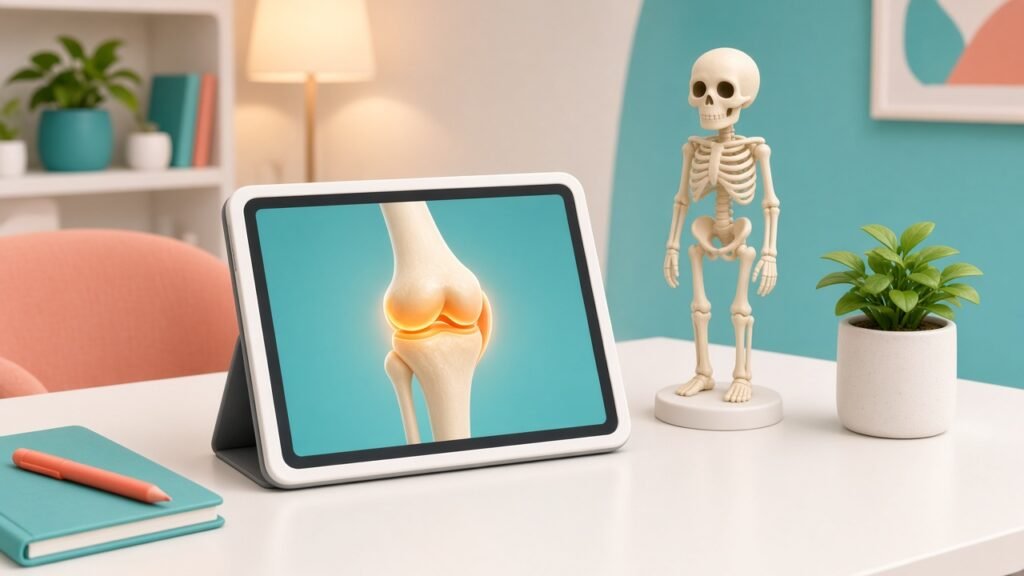
What changed things for me was a simple shift. I stopped telling people to book and started showing them what was going on inside their body. A short clip explaining why a knee hurts on the stairs. A quick animation of what a disc actually does. Those were the posts people saved, shared with family, and brought up when they walked into the clinic.
If you run a clinic, this post is for you. I want to walk through why patient education videos for clinics tend to earn more trust than promo posts, and how you can start making them without turning your week upside down.
Why promo posts struggle
A promo post asks for a decision before it has given anything. “Book your assessment today” is a fine message for someone who already trusts you. For everyone else, it’s a stranger asking for their time and money.
Think about how a patient actually feels before they book. They’re usually a bit worried. They’ve often googled their symptoms and scared themselves. They don’t know if their problem is “serious enough” for a physio or an orthopaedic doctor. They’re not sure if you’ll understand them.
A discount or a “slots available” banner doesn’t answer any of that. It just adds pressure.
There’s also the plain fact that people are used to ads. Most of us have trained ourselves to ignore anything that looks like selling. A clinic promo, however well designed, gets filed in the same mental drawer as a mobile phone offer.
What an education video does differently
A good explainer flips the order. It gives first. It answers the question the patient is already asking in their head: “What is happening to me, and can it be fixed?”
When someone watches a 40 second clip that shows how a rotator cuff gets irritated, and why reaching overhead hurts, a few things happen at once:
- They feel understood. You’ve described their exact problem, often better than they could.
- Their fear drops. A clear picture of the problem is far less scary than a vague worry.
- You become the expert in their mind. You didn’t claim to be one. You just showed it.
- They have something to share. People forward helpful videos to a parent or a friend with the same issue. Hardly anyone forwards an advert.
In my own consultations, I’ve seen how much easier the conversation gets when a patient has already seen a simple picture of their condition. Instead of spending ten minutes on basic anatomy, we spend that time on their goals and their plan. They also tend to follow the exercises better, because they know why each one matters.
Why animation works so well for this
You can make education videos by talking to a camera, and that’s a great place to start. But some things are very hard to explain with words and hand gestures. What’s going on inside a joint, a disc, a tendon or a nerve is invisible. Patients can’t picture it.
That’s where animation earns its place. A 3D animation can:
- Show the inside of the body clearly, without anything gory or clinical that puts people off.
- Slow down a movement so the patient sees exactly where the strain happens.
- Show the healing process step by step, which gives people hope and a realistic timeline in their head.
- Use a friendly character style, so even a nervous patient or a child is happy to watch.
This is exactly why we build Pixar-style 3D medical animations for clinics. Pain explainers, anatomy videos, injury recovery stories and exercise tutorials are the kind of content that does the teaching for you, again and again, long after it’s posted.
A simple way to start: pick your top five questions
You don’t need a big content plan to begin. You need a list of the questions patients already ask you every week. Here’s how I’d do it.
1. Write down what you explain most often
Ask your team at the front desk and in the treatment rooms. What do you find yourselves explaining over and over? For a physio clinic, it might be things like:
- Why does my lower back hurt more in the morning?
- Is a disc bulge the same as a “slipped disc”?
- Why does my knee hurt going down stairs but not up?
- How long does a sprained ankle really take to heal?
- Why do I need exercises if the pain is in one spot?
An orthopaedic practice, a dental clinic or a sports rehab centre will have its own list. The point is that you already know these questions. You answer them every day.
2. Turn each question into one short story
Each video should answer one question only. Keep it to 30 to 60 seconds. A simple structure that works:
- The problem the patient feels. “That sharp pain at the front of your knee when you walk downstairs.”
- What’s happening inside. Show the structure involved and why it’s irritated.
- What usually helps. In general terms, the kind of care and exercise that tends to help.
- Who to see. A gentle line about getting it assessed properly, not a hard sell.
That last step is where your call to action lives. Notice how soft it is. You’re not saying “book now, limited offer”. You’re saying “if this sounds like you, get it checked by a physiotherapist”. It feels like advice, because it is advice.
3. Keep it accurate and honest
This matters more in healthcare than anywhere else. Don’t promise cures or quick fixes. Don’t use scary images to push people into booking. Stick to what’s generally true for most patients and remind people that their own case needs a proper assessment.
Different countries have their own rules on health advertising, so if you’re unsure about how you describe treatments or outcomes, check the guidance from your own professional regulator.
4. Use each video in more than one place
One good explainer can work hard for you:
- Post it as a reel or short.
- Add it to the matching service page on your website.
- Send it to patients after their first visit, so they can rewatch it at home.
- Play it on a screen in your waiting area.
- Share it on your Google Business Profile.
This is the part most clinics miss. They make something useful, post it once, and forget it. Education content doesn’t go out of date quickly. A clear video on knee pain will be just as useful next year.
“But we still need bookings”
Of course you do. I’m not saying never post an offer or an announcement. If you’ve opened a new branch or added a new service, tell people.
What I’m suggesting is a change in balance. Let most of your posts teach, and only a few ask. When the teaching posts have done their job, the asking posts land on people who already trust you. That’s when “book an assessment” actually works.
Here’s a simple way to think about it. A promo post talks to the small group of people who are ready to book today. An education video talks to everyone who has the problem, including the much bigger group who are still deciding. Over time, many of those people come back when they’re ready, and they come back to the clinic that helped them understand.
Common mistakes to avoid
- Too much jargon. If your patient’s grandmother wouldn’t follow it, simplify it.
- Too long. One question, one video. Split longer topics into a short series.
- A hard sell at the end. It undoes all the trust the video just built.
- Random topics. Stick to the conditions you actually treat and want more of.
- Posting once and stopping. Trust builds through steady, helpful content over weeks and months.
Where to go from here
If you take one thing from this post, let it be this: your patients don’t need more adverts. They need someone to explain what’s going on in a way they can understand. The clinic that does that well becomes the clinic they trust.
Start with your five most common questions. Make one short, clear explainer for each. Use them everywhere. Then see how your conversations with new patients change.
If you’d like a hand planning this, download our Free Marketing Blueprint for a simple starting framework. And if you want explainer videos made for your clinic, you can see our 3D medical animation work or get in touch with us here.
Dr. Lakshay Sharma PT