
In today’s digital world, your patients aren’t just looking for health information in medical journals or during their annual check-up. They’re scrolling through Instagram, browsing Facebook groups, and watching TikTok videos. They are looking for trustworthy, relatable, and accessible health experts online.
The question is, will they find you?
For many doctors, clinic managers, and healthcare professionals, the idea of managing social media feels overwhelming. Between patient care, administrative tasks, and staying current with medical advancements, who has the time? And what about the complex web of HIPAA regulations?
If you’re struggling with where to start or how to use social media effectively and safely, you’re in the right place. This guide will demystify social media for healthcare professionals, giving you a clear roadmap to build your brand, connect with your community, and ultimately, grow your practice.
Why Social Media is No Longer Optional for Your Practice
Think of social media as the new “word-of-mouth.” According to a recent study, over 40% of consumers say that information found via social media affects the way they deal with their health. It has evolved from a simple networking tool into a fundamental part of a modern healthcare practice’s marketing strategy.
Here’s why you can’t afford to ignore it:
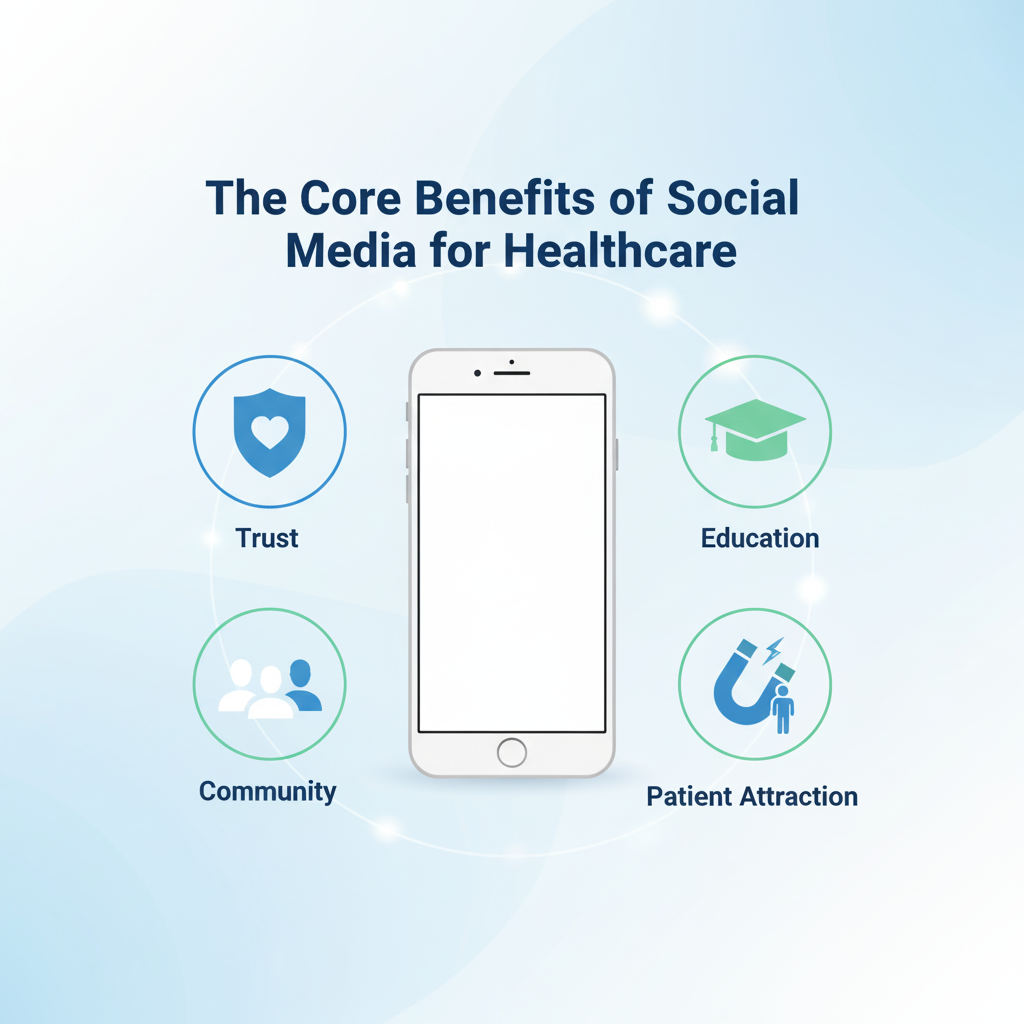
- Build Unshakeable Patient Trust: Social media allows you to show the human side of your practice. By sharing your expertise, values, and the faces behind the brand, you build a connection that transcends the clinical environment.
- Educate and Empower Your Community: You have the power to combat misinformation with credible, easy-to-understand health content. This positions you as a leading authority in your field.
- Attract Your Ideal Patients: A strong social media presence acts as a magnet for new patients. When people in your community search for a healthcare provider, a professional and active social profile can be the deciding factor.
- Humanize Your Brand: Showcasing your team, celebrating milestones, and sharing your practice’s personality makes you more relatable and approachable, easing patient anxiety before they even step through your doors.
Are you worried your practice is missing out on these benefits? Let’s fix that.
Choosing the Right Platforms: Where Do Your Patients Spend Their Time?
A common mistake is trying to be everywhere at once. The key is to choose the platforms where your target patients are most active. Not every social media channel is a good fit for every practice.
Facebook: The Community Hub
Facebook is still a powerhouse for healthcare marketing, especially for building a local community. Its diverse user base makes it ideal for practices with a broad patient demographic, such as family medicine, pediatrics, or general dentistry.
- Best for: Sharing in-depth educational articles, promoting community events, running highly-targeted local ads, and sharing practice updates with existing patients.
- Example: A local physical therapy clinic uses Facebook to share videos of simple stretches, post patient success stories (with consent), and create events for free back pain workshops.
Instagram: The Visual Storyteller
Instagram is a visual platform, making it perfect for specialties that have a strong visual component, like dermatology, plastic surgery, optometry, and wellness clinics. It’s about building an aesthetic and telling a story through images and short videos (Reels).
- Best for: Behind-the-scenes glimpses of your clinic, “Myth vs. Fact” carousels, educational Reels explaining procedures, and “Meet the Team” introductions.
- Example: A dermatologist uses Instagram Reels to quickly explain the difference between UVA and UVB rays, and uses carousel posts to showcase a step-by-step skincare routine.
LinkedIn: The Professional Network
LinkedIn is your digital CV and networking hub. It’s less about direct patient acquisition and more about establishing professional authority and building referral networks.
- Best for: Connecting with industry peers, sharing clinical research or case studies, recruiting top talent, and positioning yourself as a thought leader in your specialty.
- Example: An orthopedic surgeon shares an article they wrote about a new, minimally invasive surgical technique, sparking a conversation with other specialists.
The Pillars of a Winning Healthcare Social Media Strategy
Posting randomly won’t get you results. A successful strategy is built on a foundation of clear goals, deep audience understanding, and consistent execution.
1. Define Your Goals: What Do You Want to Achieve?
Before you post a single image, ask yourself: “What is our primary objective?” Your goals should be specific, measurable, achievable, relevant, and time-bound (SMART).
- Bad Goal: “Get more patients.”
- Good Goal: “Increase new patient appointment bookings from social media by 15% in the next quarter.”
- Good Goal: “Grow our local Instagram following by 500 users in the next 6 months to increase community awareness.”
2. Know Your Audience: Who Are You Talking To?
You can’t create content that connects if you don’t know who you’re talking to. Create simple “patient personas.” What are their biggest health questions? What are their concerns or fears? What kind of content would they find most valuable? Content for new parents at a pediatric clinic will look very different from content for athletes at a sports medicine clinic.
3. Create a Content Calendar: The Key to Consistency
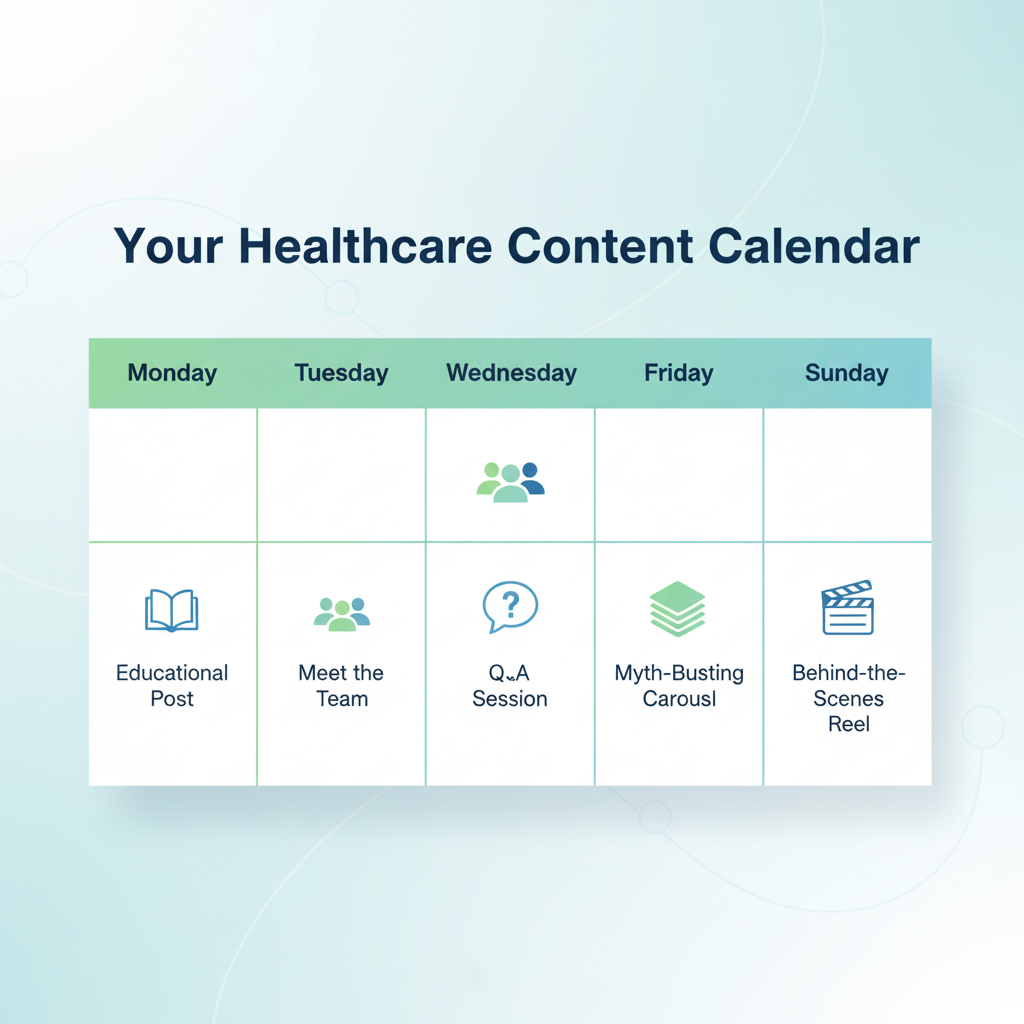
A content calendar is a simple schedule of what you’re going to post and when. It eliminates the daily stress of “What should I post today?” and ensures a consistent, balanced mix of content. We recommend planning around these content pillars:
- Educational (60%): Tips, how-to’s, myth-busting.
- Community & Brand (20%): Team introductions, behind-the-scenes, clinic values.
- Promotional (20%): Information about your services, new technology, or special offers.
4. Engage, Don’t Just Broadcast: Build a Two-Way Conversation
Social media is a conversation. Don’t just post content and walk away.
- Ask questions in your captions.
- Run polls in your Stories.
- Respond to comments and direct messages promptly and professionally.
Engagement tells the platform’s algorithm that your content is valuable, showing it to more people and fostering a loyal community.
The Elephant in the Room: Navigating HIPAA and Patient Privacy
This is the number one concern for most healthcare professionals, and for good reason. Violating the Health Insurance Portability and Accountability Act (HIPAA) can lead to severe penalties. However, you can absolutely maintain a vibrant social media presence while staying 100% compliant.
Here are the golden rules:
- NEVER Share Protected Health Information (PHI): Without explicit, written, and detailed patient consent, you cannot share anything that could identify a patient. This includes names, photos, videos, or even descriptions of unique cases. “Implied consent” is not enough.
- Separate Personal and Professional Lives: Maintain separate professional pages from your personal profiles. Avoid “friending” or following patients from your personal accounts to keep boundaries clear.
- Establish a Clear Social Media Policy: Create written guidelines for your practice and staff. Who is allowed to post? What is the approval process? How should staff respond to comments or messages?
- Treat DMs Like a Postcard, Not a Sealed Letter: Do not provide medical advice or discuss specific patient details in direct messages. Guide users to a secure channel like your patient portal or a phone call for personal health discussions.
When in doubt, always err on the side of caution. Focus on general health education rather than specific patient cases. For more detailed information, you can always refer to official sources like the U.S. Department of Health & Human Services.
Measuring Success: How Do You Know If It’s Working?
How do you prove that the time and effort you’re investing are paying off? You need to track the right metrics.
- Engagement Rate: This is the percentage of your followers who interact (like, comment, share, save) with your posts. A high engagement rate means your content is resonating.
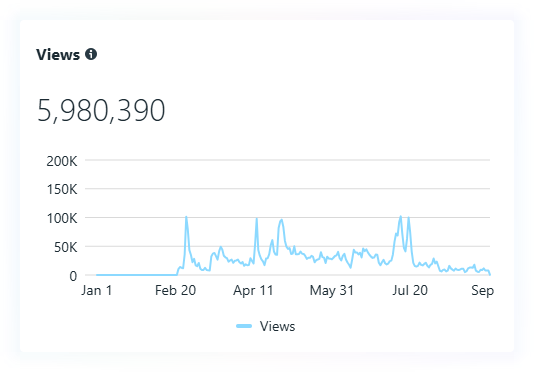
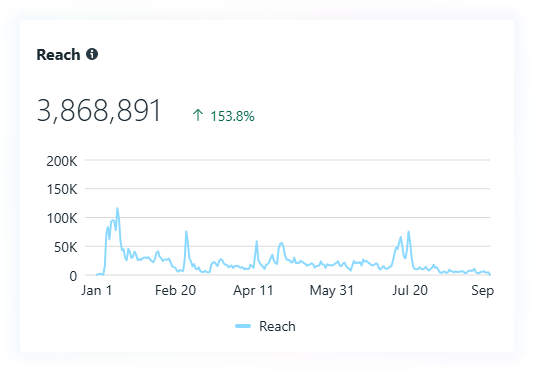
- Reach & Impressions: Reach is the number of unique people who see your content. Impressions are the total number of times your content is displayed. This tells you about your overall brand awareness.
- Website Clicks: How many people are clicking the link in your bio to visit your website or booking page? This is a key metric for measuring patient acquisition.
- Follower Growth: A steady increase in relevant, local followers indicates your presence is growing within your target community.
Tracking these numbers will help you understand what’s working and what’s not, allowing you to refine your strategy over time.

Feeling Overwhelmed? You Don’t Have to Do It Alone
Reading this guide, you now understand the incredible potential of social media. You also understand that it requires strategy, consistency, creativity, and a careful eye for compliance.
It’s a full-time job. But it doesn’t have to be your full-time job.
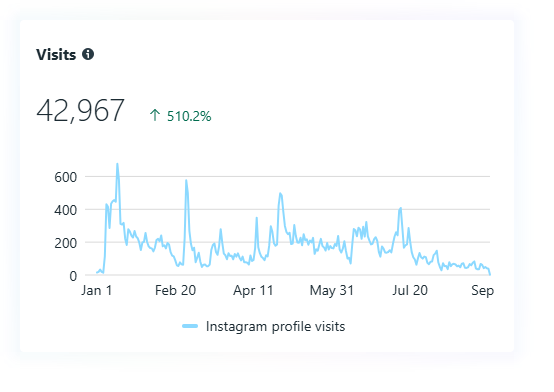
Managing a thriving medical practice is already demanding. Partnering with a specialist can help you achieve your growth goals without sacrificing your time or peace of mind. At Rehabitize, we live and breathe healthcare marketing. We develop custom social media management strategies that are not only effective but also fully HIPAA compliant. Our goal is to handle the marketing so you can focus on what you do best: providing excellent patient care.
Our work is a core part of our overall brand growth strategy, designed to build your reputation and fill your appointment calendar.
Are you ready to turn your social media presence into your most powerful patient acquisition tool?
If you want to build a brand, attract more patients, and grow your practice sustainably, Rehabitize can help.
[Get in touch with Rehabitize today to start the conversation.](Rehabitize)
Frequently Asked Questions (FAQ) Schema Suggestion:
- Q: What social media platform is best for doctors?
- A: It depends on your specialty and goals. Facebook is excellent for building a local community, Instagram is great for visual specialties like dermatology, and LinkedIn is ideal for professional networking and establishing authority. The best strategy often involves using one or two platforms well rather than trying to be on all of them.
- Q: How can I post on social media while being HIPAA compliant?
- A: The key is to never post any Protected Health Information (PHI) without explicit, written patient consent. Focus on general health education, team introductions, and behind-the-scenes content that doesn’t involve patients. Always have a clear social media policy for your staff.
- Q: How often should a healthcare practice post on social media?
- A: Consistency is more important than frequency. Aim for 3-5 high-quality posts per week. This is enough to stay top-of-mind with your audience without overwhelming them or sacrificing the quality of your content.