
Remember when telehealth felt like a temporary fix, a necessary pivot during unprecedented times? Think again. What started as an emergency solution has rapidly evolved into a permanent, powerful force for modern healthcare. It’s now a powerhouse for practice growth, offering clinics unparalleled opportunities to expand their reach, enhance patient care, and streamline operations.
If your clinic adopted telehealth but hasn’t yet optimized it as a strategic growth engine, you’re missing out on a significant competitive advantage. This guide explores how telehealth for practice growth isn’t just about offering virtual appointments, but about transforming your entire patient journey and securing your clinic’s future.
Let’s move beyond the basics and dive into how your clinic can strategically leverage virtual care to thrive in 2025 and beyond.

Telehealth’s Evolution: From Emergency Fix to Growth Catalyst
The rapid, widespread adoption of telehealth during the pandemic was a reactive measure for many. Clinics scrambled to implement virtual platforms, patients adjusted to video consultations, and regulators quickly adapted policies. Now, the dust has settled, and the landscape of healthcare has fundamentally changed.
The Post-Pandemic Reality of Virtual Care
The initial emergency measures solidified telehealth’s place as a cornerstone of modern healthcare delivery. Patients, having experienced the convenience and accessibility, now expect virtual options. According to a recent survey by the American Medical Association, both patients and physicians report high satisfaction with telehealth, with many wanting it to remain an option. This isn’t a fleeting trend; it’s a patient-driven demand.
For clinics, this means that merely offering telehealth isn’t enough. It’s about seamlessly integrating it into your service model to ensure it enhances patient care, rather than acting as a separate, disjointed offering. The goal is to create a “both/and” approach, where in-person and virtual care complement each other to provide comprehensive, patient-centered service.
Why Your Clinic Needs a Telehealth Growth Strategy
A strategic approach to telehealth can unlock significant growth for your practice by addressing several common pain points:
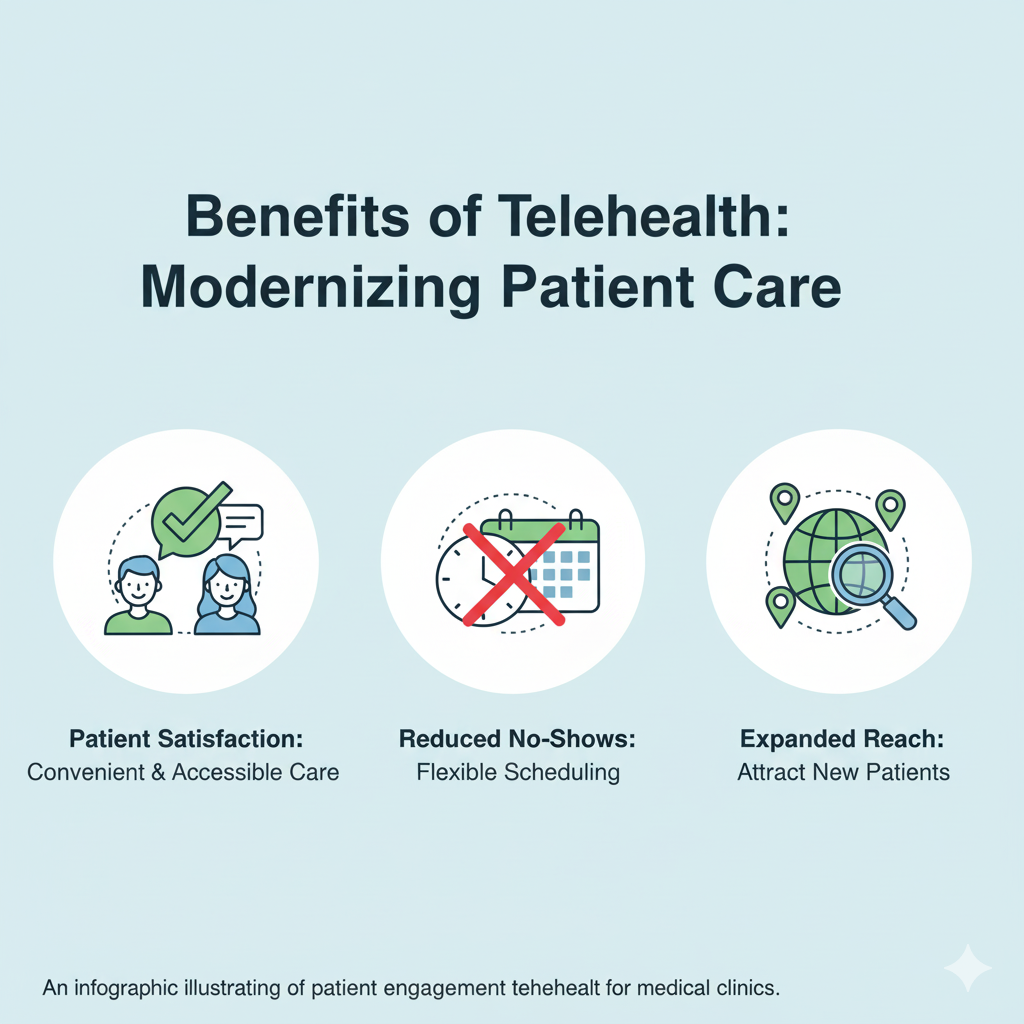
- Expanded Reach: Break free from geographical limitations. You can now attract patients from a wider area, not just those within a short drive.
- Reduced No-Shows: Virtual appointments offer flexibility, making it easier for patients to attend, cutting down on missed slots that cost your practice time and revenue.
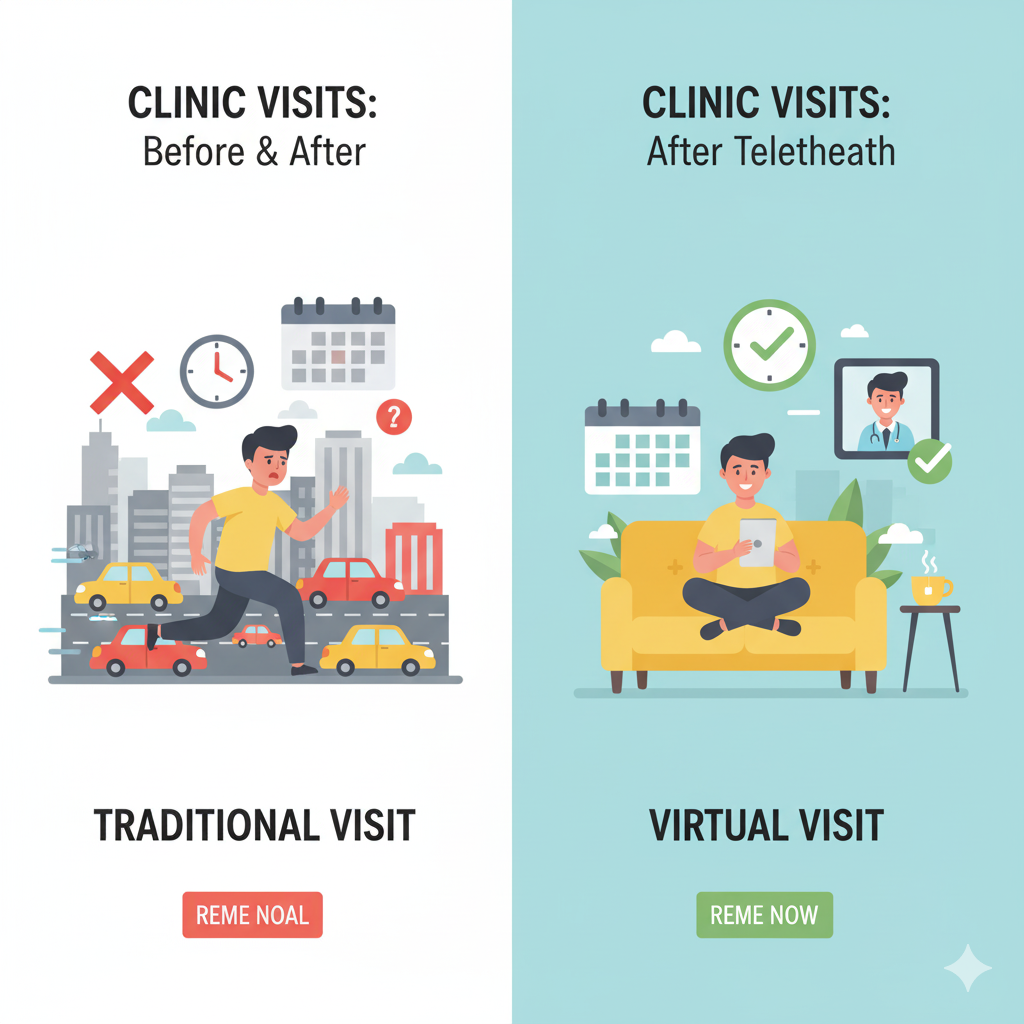
- Enhanced Patient Convenience: In a world that values instant access, telehealth delivers. Patients appreciate saving travel time, parking costs, and waiting room time.
- Competitive Advantage: Clinics that offer well-integrated, high-quality virtual care stand out. It signals a modern, patient-focused approach.
By intentionally weaving telehealth into your growth strategy, you’re not just adapting; you’re innovating.
Strategic Pillars: How to Leverage Telehealth for Practice Growth
Moving beyond simply “doing” telehealth requires a strategic blueprint. Here’s how to build it.
Expanding Your Reach: Attracting Patients Beyond Your Zip Code
One of the most immediate benefits of telehealth is the ability to transcend physical boundaries. While licensing restrictions still apply, many states now allow for more expansive virtual care, enabling you to connect with patients who might not be able to visit your physical location.
Consider:
- Specialty Clinics: If you offer a highly specialized service, you can now attract patients from across your state, or even neighboring states if regulations permit.
- Rural Access: Serve underserved rural communities where access to specialists is limited.
- Targeted Marketing: Develop specific online ad campaigns for regions beyond your immediate vicinity, promoting your virtual services. This might involve creating content that speaks to the specific needs of these broader communities, further optimizing your clinic’s online presence.
Enhancing Patient Engagement and Retention
Telehealth is a powerful tool for nurturing existing patient relationships and preventing attrition. It allows for more frequent, less burdensome touchpoints.
- Convenient Follow-ups: Virtual visits are ideal for post-treatment check-ins, medication management, and chronic disease monitoring. This makes it easier for patients to adhere to care plans.
- Proactive Care: Offer virtual workshops on health topics, send personalized video messages, or conduct quick check-ins to support ongoing wellness. This high-touch, low-barrier approach significantly boosts patient engagement telehealth.
- Reduce Barriers: For patients with mobility issues, limited transportation, or demanding schedules, virtual care removes significant obstacles to continuous care, cementing their loyalty to your practice.
Optimizing Workflows & Staff Efficiency with Virtual Care
Integrating telehealth strategically can also lead to more efficient internal operations.
- Streamlined Scheduling: Virtual visits can be shorter, allowing for more appointments in a day. They can also fill gaps in the schedule more easily.
- Reduced Administrative Burden: Less patient check-in/out time in the waiting room, potentially fewer paper forms, and less overhead associated with managing physical space.
- Improved Resource Allocation: Free up exam rooms for necessary in-person visits. Staff can manage administrative tasks or conduct virtual support from various locations.
When technology is used to improve efficiency, it frees up your team to focus on what matters most: delivering high-quality, human-centric care.
Marketing Your Virtual Services: Getting the Word Out
Having a great telehealth offering isn’t enough; patients need to know about it. Effective telemedicine marketing is crucial.
Website & Online Presence Optimization for Telehealth
Your website is your virtual front door. Ensure it clearly communicates your telehealth services.
- Dedicated Telehealth Page: Create a specific section on your website detailing your virtual care options, the types of appointments available, how it works, and patient testimonials.
- Clear Call-to-Actions (CTAs): Prominently display “Book a Virtual Appointment” or “Learn About Our Telehealth Services” buttons.
- Google Business Profile Update: Make sure your Google Business Profile explicitly mentions your telehealth services. This works in conjunction with optimizing your clinic’s local visibility through efforts like boosting your local visibility on Google Maps.
Content Marketing: Educating Patients on the Benefits of Virtual Care
Many patients are still unsure about telehealth. Your content can educate and reassure them.
- Blog Posts: Write articles addressing common questions (“What to expect from a virtual visit,” “Conditions treated via telehealth”).
- FAQs: A clear, concise FAQ section can alleviate concerns about technology, privacy, and effectiveness.
- Videos: Short explainer videos demonstrating how to connect, what equipment is needed, and the benefits can be incredibly effective.
By proactively addressing potential hesitations, you build trust and encourage adoption.
Social Media & Email Campaigns for Virtual Services
Leverage your existing communication channels to promote your telehealth offerings.
- Targeted Social Media Campaigns: Use platforms like Facebook and Instagram to run campaigns specifically promoting your virtual services to audiences in your expanded service area or to those interested in convenient healthcare.
- Email Newsletters: Regularly inform your existing patient base about your telehealth options, highlighting new services or convenient features.
- Patient Success Stories: Share anonymized stories of patients who benefited from virtual care strategies, showcasing the real-world impact.
Overcoming Challenges & Ensuring Success
Implementing any new strategy comes with its hurdles. Addressing these proactively ensures your telehealth initiative truly contributes to growth.
Technology & Platform Selection
Choosing the right platform is paramount. Look for solutions that are:
- HIPAA Compliant: Non-negotiable for patient privacy.
- User-Friendly: For both patients and staff.
- Integrates Well: With your existing EHR/PMS.
- Reliable: Stable video and audio quality are essential for a good patient experience.
Patient Education & Onboarding
Don’t assume patients are tech-savvy.
- Simple Guides: Provide clear, step-by-step instructions for joining a virtual visit.
- Pre-Appointment Support: Offer a quick tech check before the actual appointment.
- FAQs: Again, a comprehensive FAQ can answer many questions before they arise.
Staff Training & Buy-in
Your team is on the front lines.
- Comprehensive Training: Ensure all staff, from front desk to clinicians, are comfortable with the technology and new workflows.
- Champion Program: Designate key staff members as “telehealth champions” to support colleagues and patients.
- Gather Feedback: Regularly solicit input from your team to refine processes and address pain points.
It’s Time to Unlock True Telehealth for Practice Growth
Telehealth is far more than a passing trend; it’s a permanent and powerful tool for the modern medical practice. By adopting a strategic approach to telehealth for practice growth, your clinic can transcend geographical limits, foster deeper patient relationships, and optimize its operations for greater efficiency. This isn’t just about survival in a changing healthcare landscape; it’s about leading the way and building a more resilient, patient-centric future.
The clinics that thrive in 2025 will be those that embrace virtual care not as a reactive measure, but as a proactive strategy for sustainable expansion and enhanced patient care.
Ready to integrate a powerful telehealth strategy into your clinic? Don’t let your practice get left behind. Partner with Rehabitize to develop a robust telehealth plan that attracts new patients and streamlines your operations.
Talk to Rehabitize today and get your free practice growth plan!
Frequently Asked Questions (FAQ)
Q1: What types of medical conditions are best suited for telehealth? A1: Telehealth is excellent for follow-up appointments, medication management, chronic disease management, mental health counseling, minor acute conditions (like colds or rashes), specialist consultations, and post-operative checks where a physical exam isn’t critical.
Q2: Is telehealth reimbursed by insurance companies? A2: Reimbursement for telehealth has significantly expanded. While policies can vary by state and insurer, most major insurance providers now cover a wide range of virtual services. It’s crucial to regularly check current regulations and your specific contracts.
Q3: How do I ensure patient privacy during a telehealth visit? A3: Patient privacy is paramount. Always use a HIPAA-compliant telehealth platform that employs secure encryption. Ensure you are in a private location for calls, use secure networks, and adhere to all data protection protocols just as you would for an in-person visit.